A physician-founded, open-access journal built to transform how cardiovascular science is published, reviewed, and shared.
Our Mission
OpenSource: Cardiology was founded on a simple premise: the current model of academic cardiology publishing is broken. Researchers pay thousands of dollars to share their work. Peer reviewers — the backbone of scientific integrity — receive no recognition. Access to knowledge is gated behind expensive paywalls.
We set out to fix all of that. OpenSource: Cardiology is a 100% open-access journal with zero author publication fees for original research — supported by a lean publishing model funded sustainably through modest open access fees for non-original research articles, industry partnerships, and philanthropy. Not from the researchers who publish here. Our AI-assisted editorial workflows cut turnaround from months to weeks. And our novel credits-based co-authorship model gives peer reviewers the academic recognition they have long deserved but never received.
We believe rigorous science and equitable publishing are not in conflict. This journal is our proof of concept.
Leadership
OpenSource: Cardiology was founded by two practicing cardiologists with a shared conviction: academic publishing in cardiology needed to be rebuilt from the ground up — open, equitable, and physician-led.
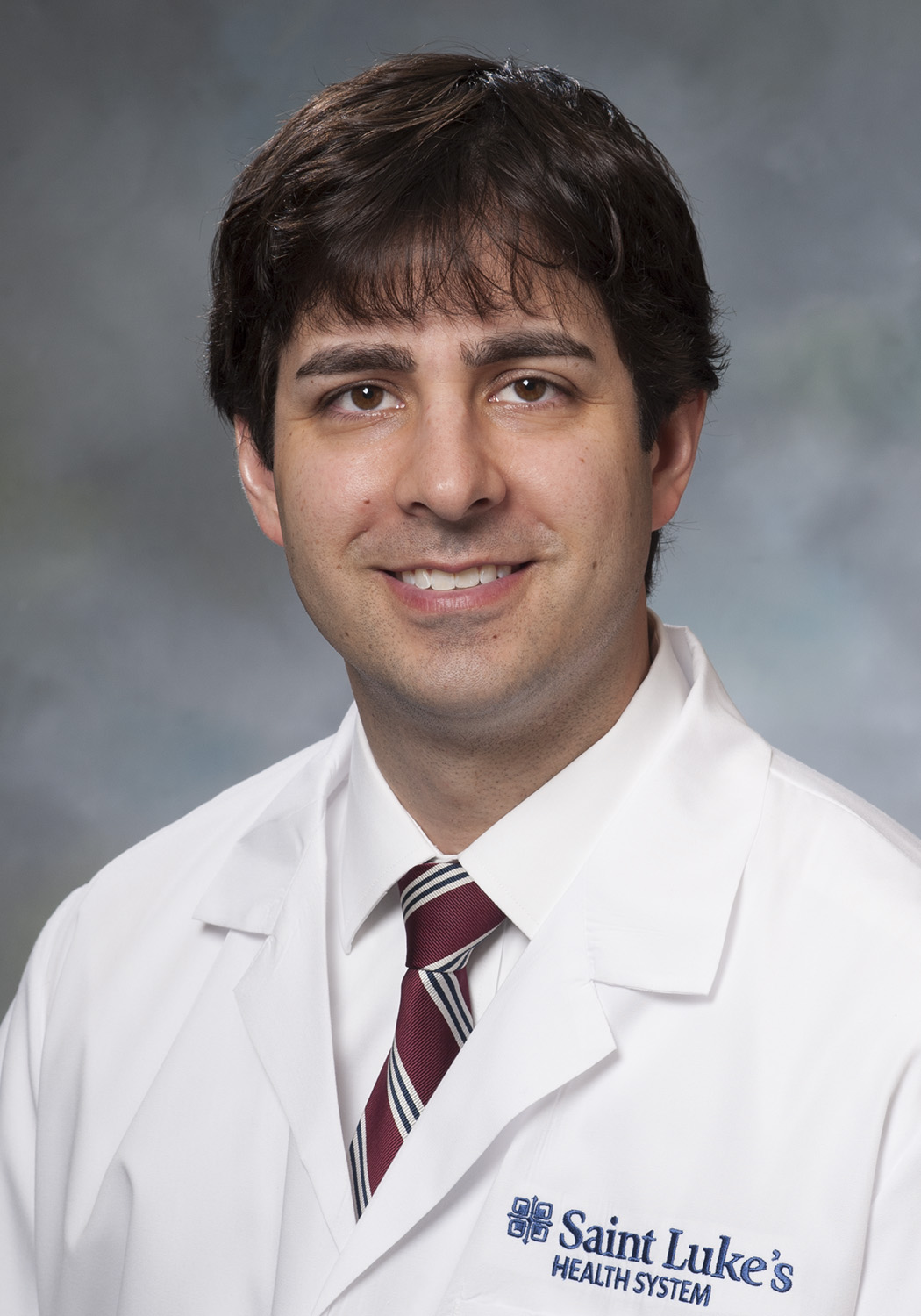
Dr. Brett Sperry is an advanced heart failure and transplant cardiologist at Saint Luke's Mid America Heart Institute and Associate Professor of Medicine at the University of Missouri–Kansas City. Trained at Georgetown University and the Cleveland Clinic, his clinical expertise spans heart transplantation, mechanical circulatory support, and cardiomyopathies including cardiac amyloidosis, sarcoidosis, and hypertrophic cardiomyopathy. A researcher with a broad academic portfolio spanning cardiovascular imaging, nuclear cardiology, and heart failure therapeutics, Dr. Sperry co-founded OpenSource: Cardiology to dismantle a publishing model that burdens researchers with fees while denying reviewers the recognition they deserve. He leads the journal's editorial strategy and scientific direction.
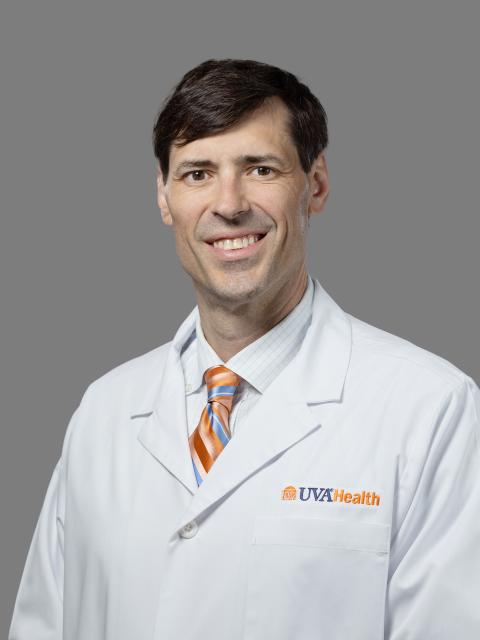
Dr. John Saxon is Director of the Advanced Cardiac Valve Center at UVA Health and Associate Professor of Medicine at the University of Virginia. He specializes in transcatheter valve repair and replacement — treating patients with complex structural heart disease, including severe valve conditions and congenital heart defects, without the need for open-heart surgery. Trained at the University of Mississippi (where he served as both chief resident and chief fellow) and at Saint Luke's Mid America Heart Institute in interventional and structural cardiology, Dr. Saxon co-founded OpenSource: Cardiology to give cardiologists around the world a publication venue that is as rigorous as it is accessible — free to publish, free to read, and genuinely rewarding to review.
Editorial Team
Our associate editors are subspecialty cardiologists selected for deep domain expertise and a commitment to rigorous, timely peer review. Each AE oversees a defined clinical area and manages the review process for manuscripts within their specialty.
Dr. Timothy Fendler is a heart failure and transplant cardiologist at Saint Luke's Mid America Heart Institute, and an emerging national leader in the intersection of palliative care and advanced heart disease. His clinical expertise encompasses device therapy for heart failure, including mechanical circulatory support and LVAD management. Trained at Saint Louis University, the University of Kansas School of Medicine, and Washington University in St. Louis, he completed cardiology, heart failure, and NIH T32 research fellowships before joining Saint Luke's. Dr. Fendler brings exceptional methodological rigor and a patient-centered perspective to his role as Associate Editor.
Peer Review
Our editorial board comprises clinician researchers across all major cardiovascular subspecialties who serve as peer reviewers, earn credits toward co-authorship recognition, and uphold the scientific standards of OpenSource: Cardiology.
Editorial board composition is expanding as the journal approaches launch. Members are selected by the Editors in Chief based on subspecialty expertise, publication record, and commitment to open-access science.